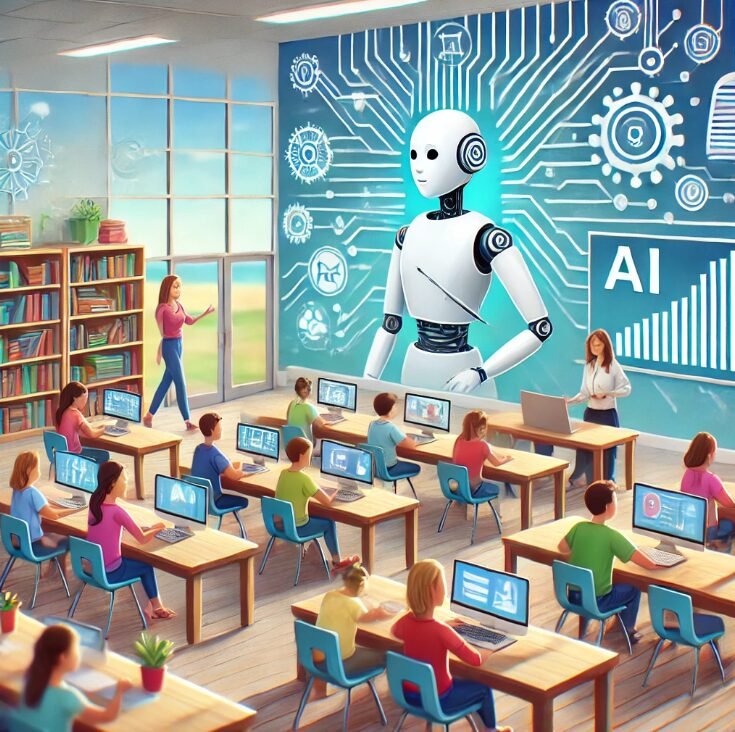
The advent of Artificial Intelligence (AI) is revolutionizing many industries, and education is no exception. As AI technologies become increasingly integrated into educational systems, the role of educators is undergoing a significant transformation. Rather than replacing teachers, AI is reshaping their roles, enhancing their capabilities, and allowing them to focus on what matters most: fostering meaningful learning experiences and nurturing students’ growth. This blog explores how AI is redefining the role of educators in the 21st century.
AI-Powered Learning: Enhancing Student Engagement and Outcomes
AI as a Tool for Personalized Learning
One of the most significant ways AI is impacting education is through personalized learning. AI-powered platforms can analyze a student's learning style, pace, and strengths to provide tailored educational experiences. For educators, this means that they can move away from the traditional one-size-fits-all approach and focus on supporting individual student needs.
Teachers can use AI to identify students who may be struggling with specific concepts and provide targeted interventions. This personalized approach not only improves student outcomes but also allows educators to spend more time engaging with students in meaningful ways, rather than merely delivering standardized content.
Automating Administrative Tasks
AI is also transforming the day-to-day responsibilities of educators by automating many administrative tasks. Grading, attendance tracking, and even scheduling can now be managed by AI systems, freeing up valuable time for teachers. This shift allows educators to focus more on teaching, mentoring, and providing emotional support to their students.
For instance, AI-driven grading systems can assess assignments and exams quickly and accurately, providing instant feedback to students. This not only saves time for teachers but also helps students learn from their mistakes in real-time. Similarly, AI can automate routine tasks such as lesson planning, giving teachers more time to innovate and create engaging learning experiences.
Enhancing Classroom Engagement
AI technologies are also enhancing classroom engagement through interactive tools and platforms. Intelligent tutoring systems, gamified learning, and virtual reality experiences powered by AI can make learning more dynamic and immersive. These tools help to capture students' attention and foster a deeper understanding of the material.
For educators, this means they can leverage AI to create a more interactive and engaging classroom environment. AI can help facilitate discussions, encourage collaborative learning, and provide diverse resources that cater to different learning styles. By integrating AI into their teaching methods, educators can enhance student engagement and create a more stimulating learning atmosphere.
Redefining the Teacher-Student Relationship
As AI takes over more routine tasks, the teacher-student relationship is evolving. Educators are now becoming more like mentors, guiding students through their learning journeys rather than simply delivering content. This shift allows teachers to focus on developing critical thinking, creativity, and problem-solving skills in their students.
AI also provides educators with insights into students' progress, enabling more personalized and meaningful interactions. Teachers can identify when a student needs extra support, celebrate their achievements, and help them set and achieve personal learning goals.
Conclusion
AI is undeniably reshaping the role of educators in the 21st century. By automating administrative tasks, enabling personalized learning, enhancing classroom engagement, and redefining the teacher-student relationship, AI is allowing educators to focus on what truly matters: inspiring and guiding their students. As AI continues to evolve, it will further empower teachers to create impactful learning experiences that prepare students for the future.
Visit The Case HQ for 95+ courses
Read More:
The Emergence of Case Studies in Behavioral Sciences
Influencing Change: Case Studies in Nonprofit Organizations
Case Studies: Paving the Way for Inclusive Education
Unveiling the Power of Case Studies in Renewable Energy
Case Studies in Sports: A Game-Changing Approach
Navigating Case Studies in AI and Machine Learning
The Impact of Case Studies on Women’s Empowerment Initiatives
How AI is Transforming the Classroom: The Future of Learning
Mastering the Art of Writing Case Studies for Research
https://thecasehq.com/how-ai-is-shaping-the-role-of-educators-in-the-21st-century/?fsp_sid=754
Comments
Post a Comment