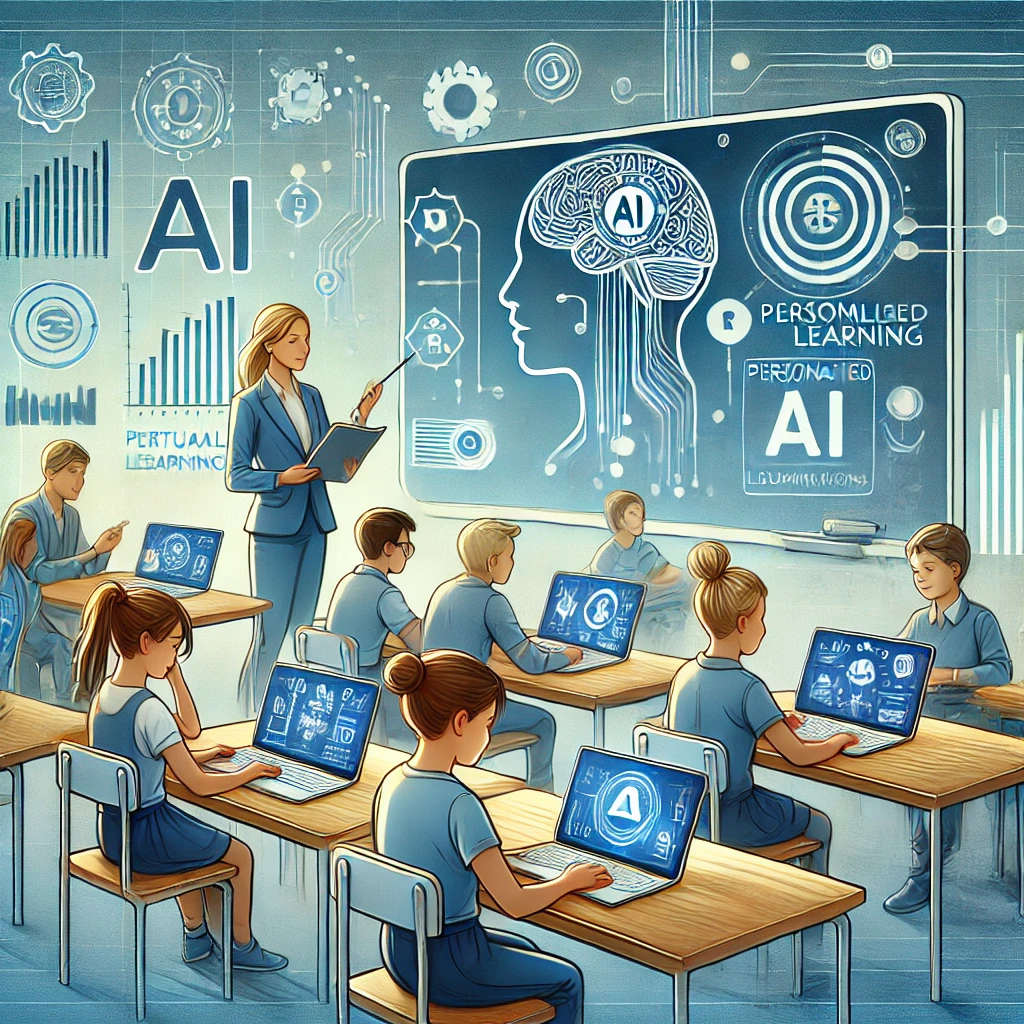
Artificial Intelligence (AI) is transforming industries worldwide, and the education sector is no exception. By integrating Artificial Intelligence in Education into learning and teaching processes, educators, students, and institutions can unlock unprecedented opportunities for growth, innovation, and efficiency. Here’s a closer look at how AI is shaping the future of education.
Influencing Change: Case Studies in Nonprofit Organizations
1. Personalised Learning at Scale
One of the most significant contributions of Artificial Intelligence in Education is its ability to personalise learning experiences for students. AI-powered platforms can analyse individual learning styles, strengths, and areas for improvement, tailoring content to meet each learner’s unique needs.
Example: Adaptive learning tools, such as AI-driven tutoring systems, adjust the difficulty level of lessons based on a student’s progress. This ensures that students are neither overwhelmed nor under-challenged, leading to better outcomes.
2. Enhanced Teaching Efficiency
Artificial Intelligence in Education is enabling educators to focus more on teaching by automating routine administrative tasks such as grading, attendance tracking, and scheduling. This frees up valuable time for teachers to concentrate on lesson planning, mentoring, and addressing individual student needs.
Example: AI-based grading systems can evaluate essays and assignments quickly and fairly, providing consistent feedback to students.
3. Smart Content Creation
AI helps in creating interactive and engaging educational content tailored to different learning contexts. From generating quizzes and flashcards to developing simulations for complex subjects, Artificial Intelligence in Education enhances the quality of teaching materials.
Example: AI-powered platforms like Quizlet use machine learning to create study aids that cater to specific subject areas.
4. Accessibility for All Learners
AI is making education more inclusive by breaking down barriers for students with disabilities or language challenges. Tools such as real-time translation, text-to-speech, and speech-to-text systems empower students to participate fully in learning experiences.
Example: AI-driven language translation tools allow students from diverse linguistic backgrounds to access the same learning materials in their preferred language.
5. Data-Driven Decision Making
Artificial Intelligence in Education provides educators and institutions with powerful data analytics tools to monitor and improve student performance. By analysing patterns in student engagement, attendance, and achievement, AI helps identify areas for intervention and innovation.
Example: Predictive analytics tools can identify at-risk students early, enabling educators to provide targeted support to improve retention rates.
6. Bridging Gaps in Remote and Hybrid Learning
The global shift to remote and hybrid learning has underscored the importance of AI-driven solutions. Virtual classrooms, intelligent chatbots for instant student support, and AI-powered proctoring tools have become essential in maintaining the quality and integrity of education.
Example: AI chatbots like ChatGPT can assist students 24/7 with homework queries and concept explanations, ensuring they have access to help whenever needed.
7. Preparing Students for the AI-Driven Workforce
AI in education is not just about improving the learning process but also about preparing students for an AI-driven future. By incorporating AI tools into curriculums, students develop critical skills such as data analysis, programming, and digital problem-solving, making them future-ready.
Example: Coding platforms for children, like Scratch, introduce young learners to AI concepts in a fun and interactive way.
Challenges to Consider
While AI offers numerous benefits, its implementation in education does come with challenges:
- Ethical Concerns: Ensuring data privacy and avoiding biases in AI systems.
- Cost: High implementation costs may pose a barrier for underfunded institutions.
- Teacher Training: Educators need proper training to effectively use AI tools in classrooms.
Conclusion
Artificial Intelligence in Education is a game-changer for the education sector, offering tools and solutions that enhance learning outcomes, improve accessibility, and make teaching more efficient. While challenges remain, the potential of AI to revolutionise education is undeniable. By embracing AI, we can create a more inclusive, engaging, and future-ready learning environment for students worldwide.
The question is: Are we ready to harness the power of AI to shape the future of education?
Visit The Case HQ for 95+ courses
Read More:
Utilizing Published Sources in Case Study Research: Advantages and Pitfalls
Leveraging Case Studies for Business Strategy Development
Inspiring Innovation Through Case Studies: A Deep Dive
The Art and Science of Writing Effective Case Studies
Exploring the Role of Case Studies in Market Research
How to Write a Compelling Case Study: A Step-by-Step Guide
The Role of Research Publications in Shaping Business Strategies
The Impact of Real-World Scenarios in Business Education
The Power of Field Case Studies in Understanding Real-World Businesses
https://thecasehq.com/the-importance-of-artificial-intelligence-in-education/?fsp_sid=1690
Comments
Post a Comment